
Pickleball · Salt Lake City
Pickleball Injury Treatment
Explosive lateral movement, overhead smashes, and hard courts, pickleball asks a lot of bodies that often haven't sprinted in a decade. We keep you playing.
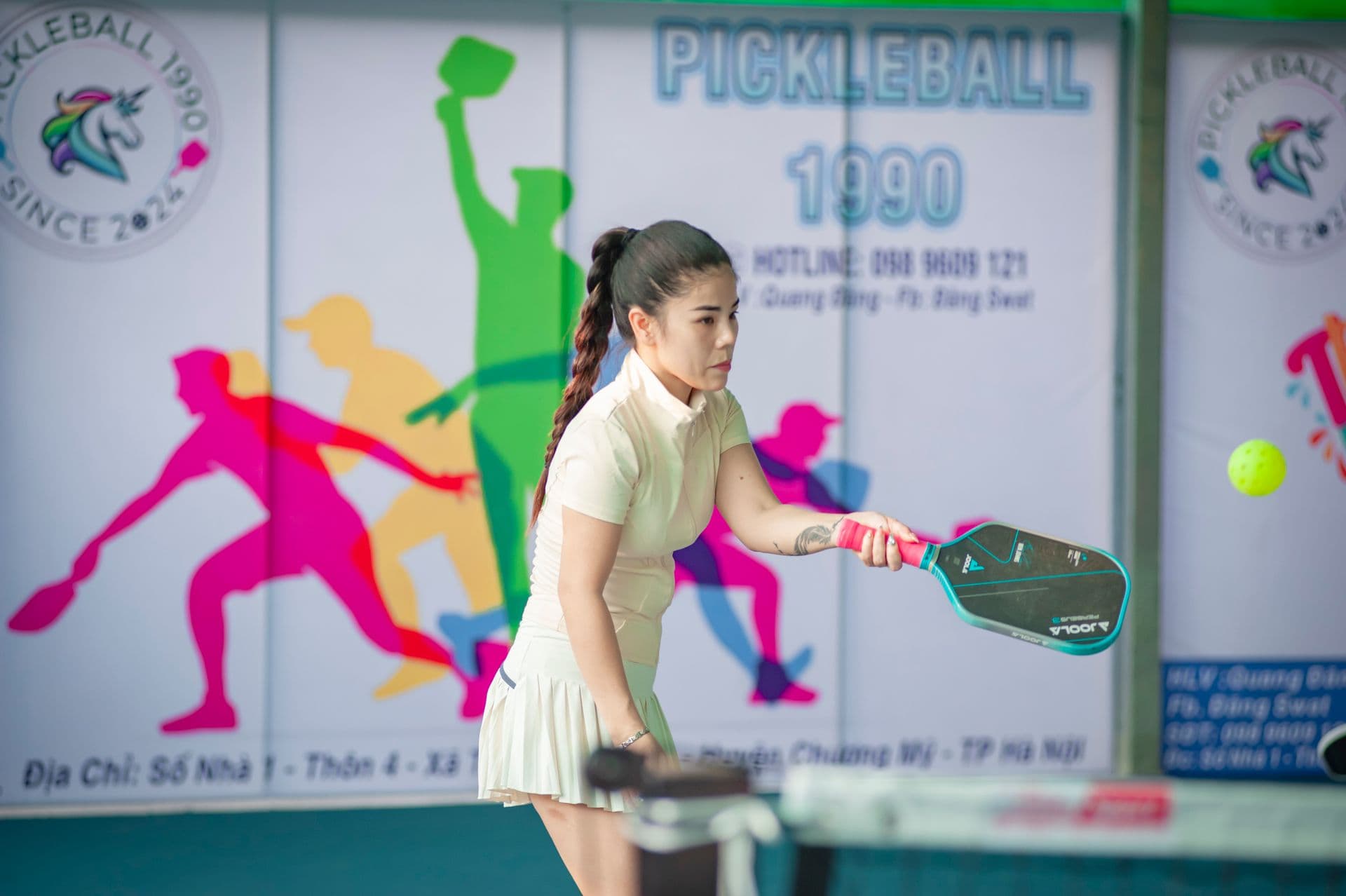
Pickleball's growth is a public-health win with an orthopedic bill. The sport pulls adults back into explosive athletics, sprinting to the kitchen line, lunging for dinks, leaping for overheads, often after years away from that kind of movement. The result is a very predictable injury list, and we treat all of it.
Elbow tendinopathy leads the pack (pickleball elbow is real, and it's not quite tennis elbow), followed by rotator cuff irritation from smashes and serves, achilles and calf strains from the first fast step, and knee pain from hard-court stop-and-go.
Our approach respects one thing above all: you don't want to stop playing. Care is built to keep you on the court as much as safely possible while the injured tissue gets fixed and, this is the part most clinics skip, while the capacity that was missing gets built, so the injury doesn't return next season.
What pickleball helps with
- Pickleball elbow (lateral and medial elbow tendinopathy)
- Rotator cuff and shoulder pain from serves and overheads
- Achilles strains and calf pulls from explosive first steps
- Knee pain from hard-court cutting and lunging
- Low back pain from repeated bending at the kitchen line
- Wrist and thumb irritation from paddle grip
The process
Tell us your play schedule: league nights, tournaments, the group you can't let down. The plan will work around what you refuse to miss, with honest guardrails. Most players stay on the court in some capacity throughout care.
- 1
Diagnose the real tissue
Elbow pain alone has several distinct sources with different fixes. We identify the exact tissue and stage, irritated, degenerated, or torn, before choosing tools.
- 2
Treat aggressively
Dry needling and shockwave are workhorses for pickleball's tendon problems; joint work restores stiff shoulders, ankles, and spines that are feeding the overload.
- 3
Build the missing base
Most pickleball injuries reveal a capacity gap: calves, cuff, or grip that weren't ready for the sport's demands. We close the gap so you return more durable than before the injury.
Pickleball questions
Often yes, with modifications: session caps, serve or smash limits, taping or bracing where useful. Tendon problems especially respond better to managed load than to rest. We'll give you a specific, week-by-week answer.
Pickleball across the Salt Lake Valley
Ready to start pickleball care?
Start with a free discovery call: tell us what's going on, and we'll tell you honestly whether we're the right fit and what the fix looks like.