Golf
How to Choose a Golf Performance Chiropractor in Utah
If you golf in Utah and something in your body is limiting you, the search results are not short. Nearly every chiropractor within thirty minutes of you treats golfers, and plenty of them say so on the home page. That does not make them wrong for you. It does mean the listing itself tells you almost nothing.
The useful question is not who treats golfers. It is who is set up to find the reason your swing changed. Here is what actually separates them.
1. Look for TPI certification, and ask what level
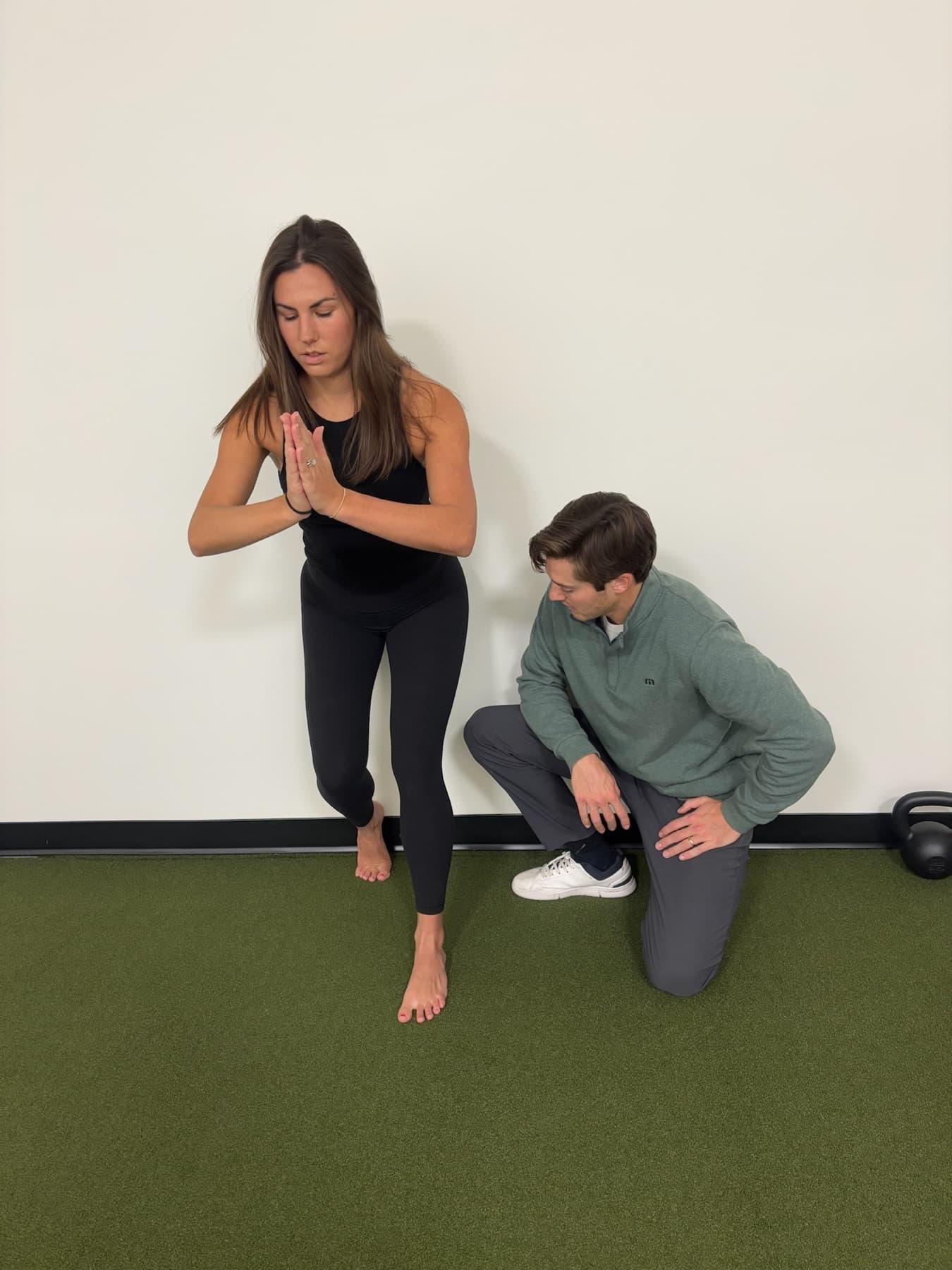
TPI, the Titleist Performance Institute, is the standard credential for the body-swing connection. It trains clinicians to run a physical screen and translate each finding into the swing characteristic it produces, so a loss of hip internal rotation reads as early extension rather than as a number on a chart.
Levels matter. Level 1 is the foundation. Medical Level 2 is the clinical tier built for providers who treat injuries, not just coach movement. Ask which one, and ask when they last used the screen on a patient rather than on a course.
2. Ask how long a visit is and who you spend it with
This is the most predictive question on the list, and almost nobody asks it.
A high-volume clinic runs three to four rooms at once and gives you eight to twelve minutes of doctor time, most of it on the table. That model is efficient for acute pain relief. It is close to useless for a swing problem, because finding the restriction behind a swing fault takes a screen, a conversation, and hands-on testing you cannot compress into ten minutes.
Ask directly: how long is a visit, and is the doctor in the room for all of it? At Elevated, the answer is one full hour, one-on-one, every visit, which is why we can screen and treat in the same appointment.
3. Expect a body screen, not a swing lesson
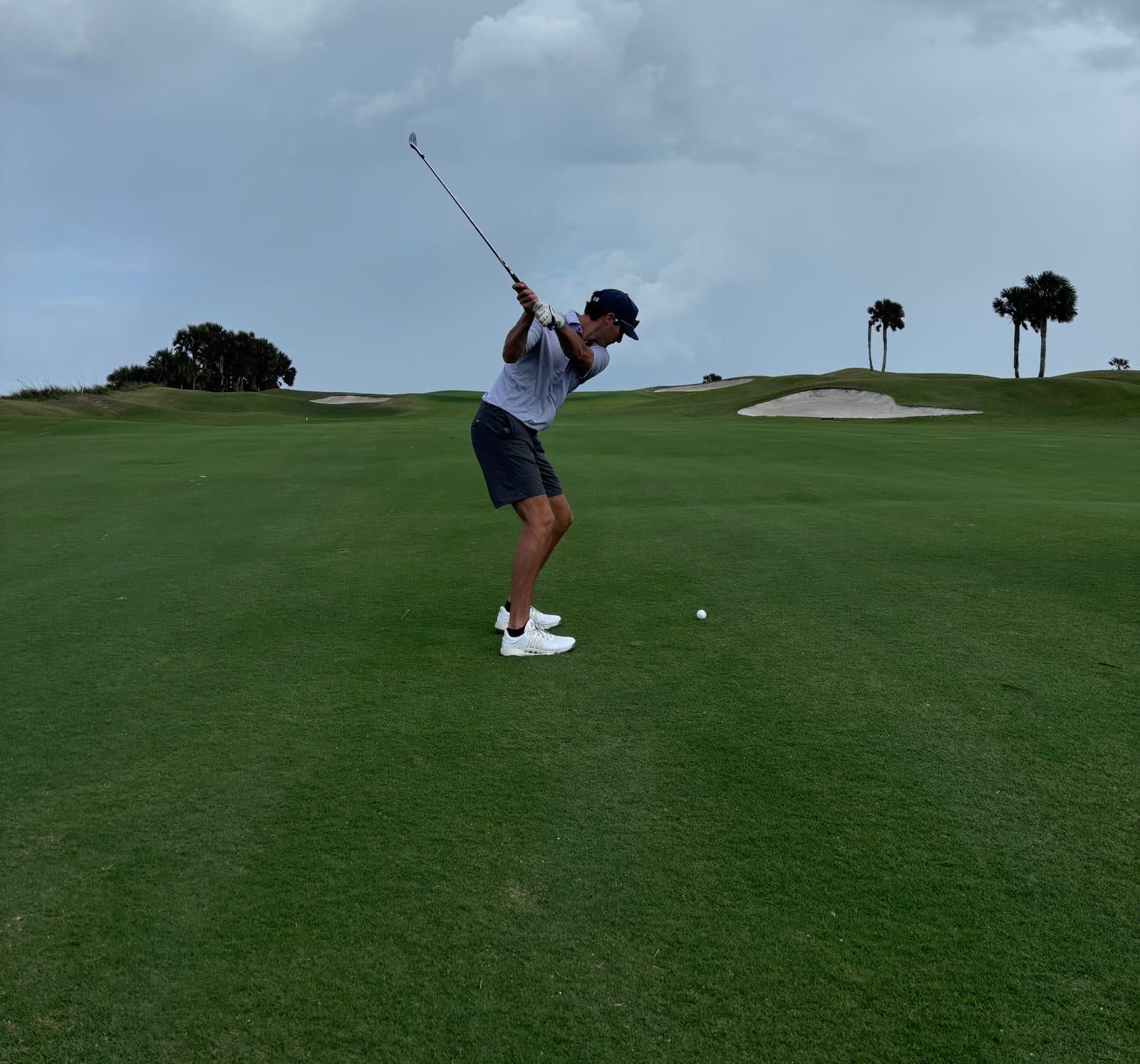
A golf performance chiropractor works on the golfer, not the golf swing. Your pro owns grip, takeaway, and path. The clinic owns whether your body can physically execute what the pro is asking for.
That line matters because a lot of swing faults are not decisions. They are the only option your body has left. A golfer who cannot rotate the lead hip will stand up out of the shot, and no amount of drilling fixes that until the hip moves again. If a clinic starts by filming your swing and adjusting your positions, they are doing coaching. Useful, but a different job.
4. Make sure the plan continues past the pain
Restoring motion is the easy half. Keeping it is the half that decides whether you are back in six weeks.
New range of motion is fragile until you can control it under load, and a golf swing is very much load. A complete plan runs in three stages: restore the motion, convert it into control with golf-specific drills, then load it so it survives a full season of two rounds a week. Ask what happens after the pain stops. If there is no answer, the pain has a return date.
5. Questions worth asking before you book
Any clinic worth your time will answer these in a two-minute phone call:
- Are you TPI certified, and at what level?
- How long is a typical visit, and am I with the doctor the whole time?
- Do you run a movement screen before treatment, and do I get the findings?
- What do you do besides adjustments? Dry needling, shockwave, and structured movement work all treat things an adjustment cannot.
- What does the plan look like after the pain is gone, and how will we know when I am done?
- Do you take insurance, and if not, what does a visit cost? A cash-based clinic should be able to tell you the number without a benefits check.
Why cash-based clinics are common in this niche
Most golf performance chiropractic in Utah is cash-based, and that is not a coincidence. Insurance reimburses treatment for a diagnosis. It does not reimburse the hour it takes to screen a golfer, find the restriction, and build a return-to-play plan. A clinic that wants to spend that hour has to step outside the model to afford it.
The tradeoff is real: you pay directly, and in exchange you get time, one provider, and a plan with an end point rather than a standing appointment.
Where we fit
Elevated Sport and Spine was voted the #1 chiropractor in Utah for golf performance care in the 2026 Best of State awards. Dr. Wolf is TPI certified at Level 1 and Medical Level 2, visits are one full hour one-on-one, and every golf plan starts with a screen.
That said, use the list above on us the same way you would use it on anyone else. Start with a free discovery call, ask the five questions, and book wherever the answers hold up.

Dr. Taylor Wolf
Owner & Chiropractor, Elevated Sport and Spine
TPI Certified (Level 1 + Medical Level 2), PRI trained, dry needling certified. One-hour, one-on-one sports chiropractic in Salt Lake City. About Dr. Wolf →