Golf
Common Golf Injuries a Chiropractor Treats
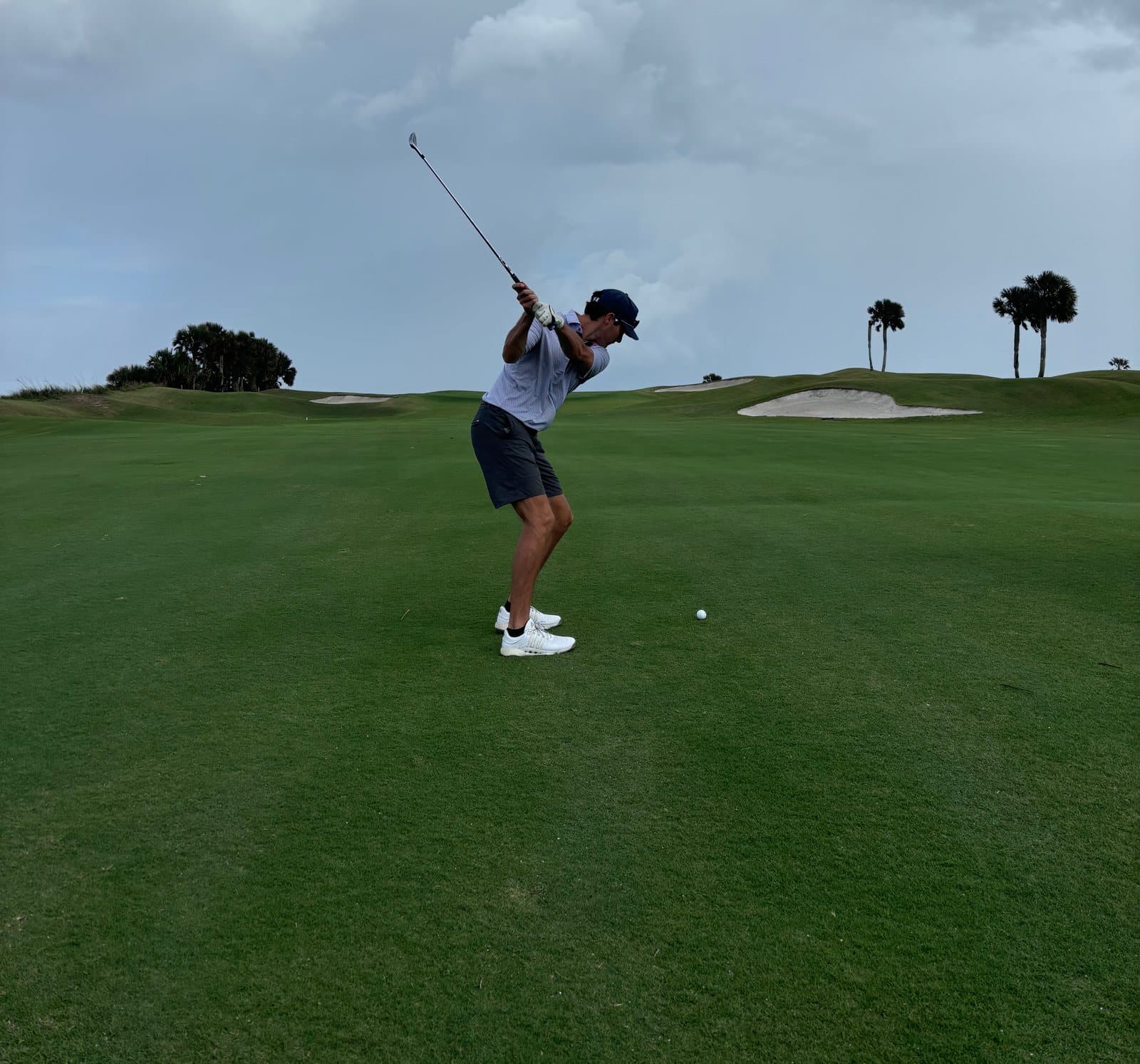
Golf has a reputation as the gentle sport, which is exactly how it gets away with hurting so many people. The swing is one of the most violent rotational movements in athletics: the spine goes from stillness to maximal-speed rotation in about a quarter of a second, and a committed golfer repeats that motion tens of thousands of times a year, always in the same direction.
When the body can produce that rotation in the right places, hips, thoracic spine, shoulders, golf is remarkably sustainable. When it can't, the swing borrows motion from tissues that hate lending it. That's where golf injuries come from, and it's why they're so predictable: each common injury maps to a specific restriction with almost boring reliability.
Here are the five we see most at Elevated Sport and Spine, and what's usually hiding underneath each one.
1. Low back pain: the king of golf injuries
Low back pain accounts for more lost golf than everything else combined. The classic story: fine during the round, stiff that evening, worse the next morning, and progressively less playable as the season goes on.
The usual culprit isn't the back at all. When the lead hip can't internally rotate or the thoracic spine can't turn, the lumbar spine, built for stability, not rotation, gets drafted into producing the swing's rotation. A joint designed for about ten degrees of rotation asked to help produce ninety, hundreds of times a week, will file a complaint.
Treatment that targets the back alone (massage, rest, generic adjustments) reliably fails here, because the back is the victim. Restore hip and thoracic rotation, then retrain the sequence, and the back usually quiets down within weeks.
2. Golfer's elbow (and its outer-elbow cousin)
Medial epicondylopathy, pain on the inside of the trail elbow, comes from the forearm flexors absorbing load they weren't built for, usually at impact. Grip tension, casting the club, and a body that stalls its rotation early (forcing the arms to flip through impact) all feed it. Outer-elbow pain (the "tennis elbow" pattern) shows up on the lead arm for related reasons.
Because it's a tendinopathy, it responds beautifully to the dry needling + shockwave + progressive loading combination, and poorly to rest, which just decondition the tendon for its next round. But lasting resolution almost always involves fixing the upstream rotation problem that made the arms overwork.
3. Lead-hip pain
The lead hip (left, for right-handed golfers) takes the swing's biggest single demand: rapid, loaded internal rotation at impact and follow-through. Golfers describe a pinch in the groin, an ache deep in the joint, or outer-hip soreness after rounds.
This is the injury most tightly linked to a measurable restriction, lead-hip internal rotation, and it's the first thing we test in the TPI screen. Restore the rotation and control it with strength work, and both the pain and the swing improve together. Ignore it, and the hip usually recruits the low back to help, creating injury number one on this list.
4. Shoulder and rib-cage pain
Lead-shoulder pain at the top of the backswing, trail-shoulder pain in follow-through, or a stitch-like pain along the ribs, all typically trace to a thoracic spine that stopped rotating. The shoulders sit on the rib cage; when the rib cage won't turn, the shoulder blades and cuff muscles improvise beyond their job descriptions.
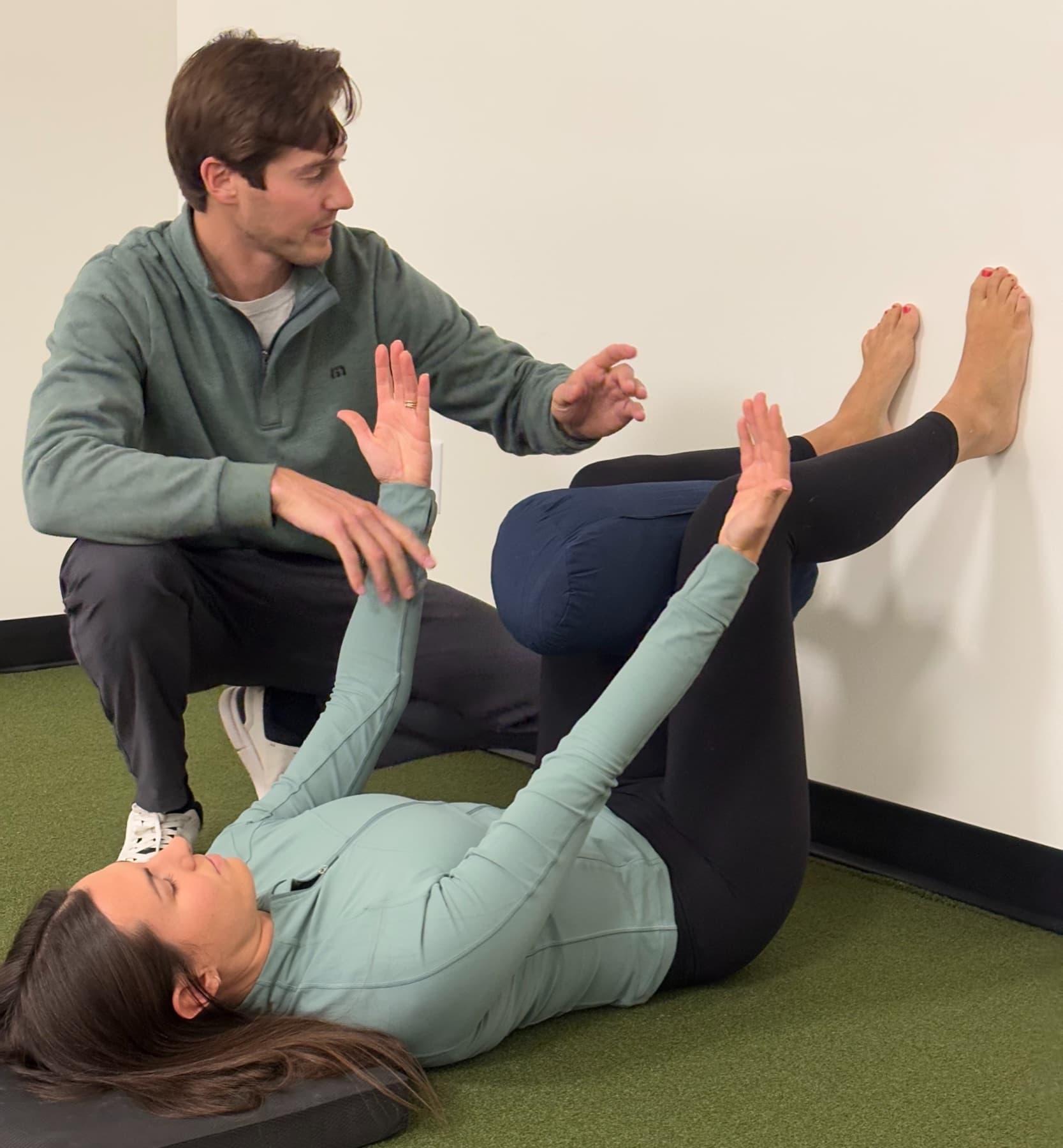
Rib-cage restriction is quietly epidemic in golfers with desk jobs, eight hours of flexed stillness followed by explosive rotation is a tough brief. The fix combines thoracic joint work, breathing mechanics (PRI-style), and rotation drills that convert new range into swing speed.
5. Knee pain
Golf knees hurt at the extremes of the swing: the trail knee loading in the backswing, or the lead knee absorbing the post-up at impact. Modern swing styles that emphasize an aggressive lead-leg post make lead-knee complaints more common than they were a generation ago.
As with everything above, the knee is usually paying a neighbor's bill: most often a lead hip or ankle that won't rotate, forcing the knee to twist under load. We treat the irritated knee tissue directly, but the durable fix lives one joint up or down.
The pattern behind all five
Notice the theme: golf injuries are almost never about the spot that hurts. They're about a rotation the body lost and the compensation that replaced it. That's why a TPI-based assessment, which measures exactly where your rotation comes from and where it doesn't, changes the game. Dr. Wolf holds TPI Level 1 and Medical Level 2 certifications, and connects each finding to both your pain and your ball flight.
If golf is hurting you, or your distance quietly left, come in for a TPI screen before the season slips away. The restriction driving your pain is measurable, and almost always fixable.

Dr. Taylor Wolf
Owner & Chiropractor, Elevated Sport and Spine
TPI Certified (Level 1 + Medical Level 2), PRI trained, dry needling certified. One-hour, one-on-one sports chiropractic in Salt Lake City. About Dr. Wolf →