
Ski Performance · Salt Lake City
Ski Performance Chiropractic
Your knees take a beating between first chair and last run. We test how your legs handle the mountain, fix what's failing, and build you up for a full season of Wasatch skiing.
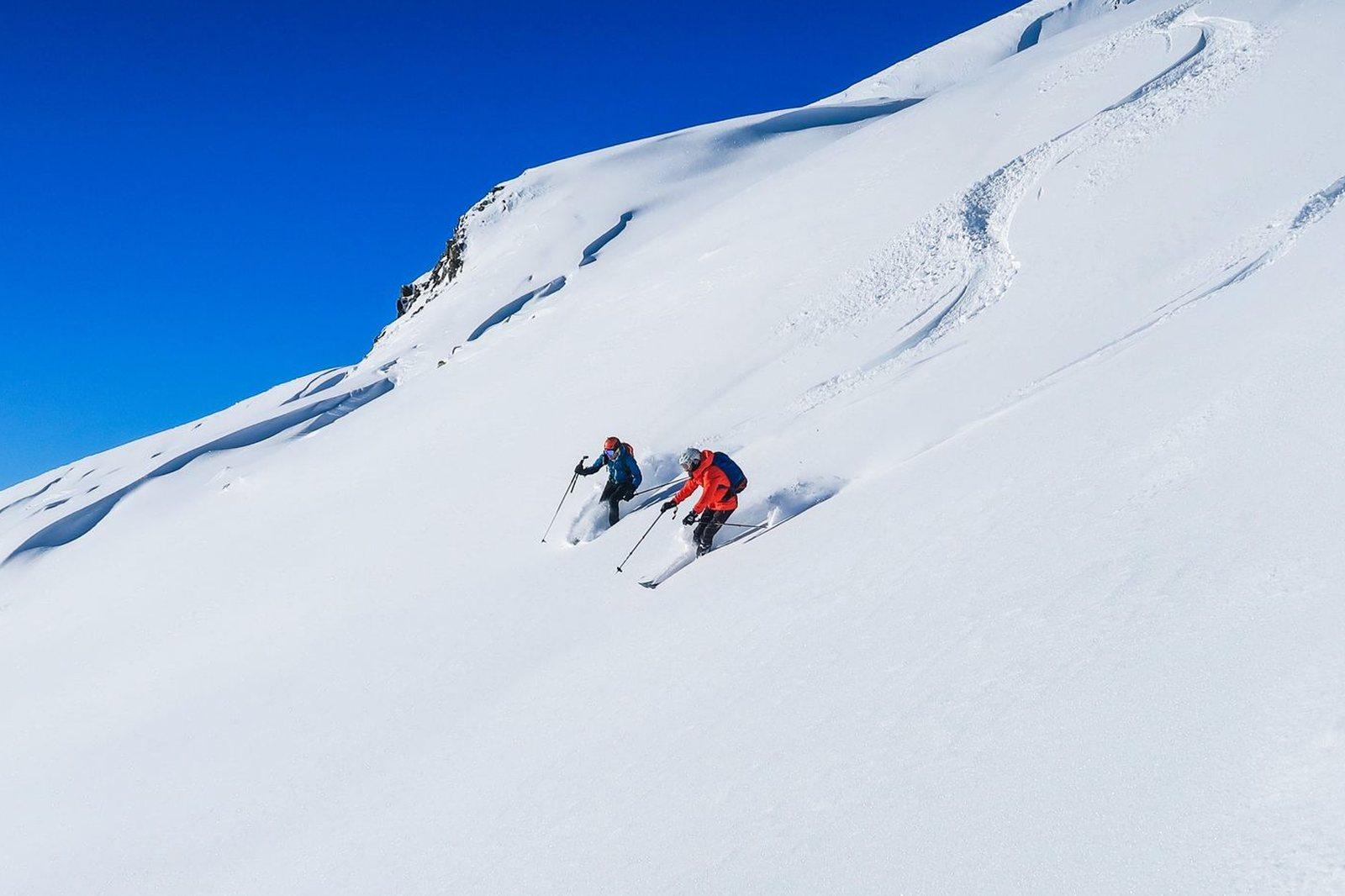
Skiing asks your legs to absorb impact, hold an edge, and control speed for hours at a time, often after a summer spent at a desk. When one link can't keep up, the knee usually complains first: aching by lunch, swelling after a big day, or the quiet decision to call it at 2 p.m. Hips and low backs follow close behind.
Our team includes a former ski instructor, so we know what a day in the Wasatch actually asks of your body. We start by measuring it. VALD strength testing compares your legs side by side, and Runeasi shows how each knee absorbs impact. Small gaps you can't feel show up clearly in the numbers, and they're usually what's behind the pain.
Then we close the gap with hands-on care and a ski-specific strength plan. The goal isn't to take the season away from you. It's to get you skiing full days again, and keep you there through spring.
What ski performance helps with
- Knee pain and swelling after ski days
- Getting your legs ready before opening day
- Getting back on snow after a knee injury or surgery
- Quad fatigue that ends your day early
- Hip and groin tightness from hours in a ski stance
- Low back pain from chairlifts, moguls, and long days flexed forward
The process
Wear athletic clothes and sneakers, since you'll be moving and hopping during testing. Bring your ski history too: days per season, where you ski, past injuries, and what usually gives out first. You'll leave the first visit knowing why your knee struggles and what to do before your next ski day.
- 1
Test what the mountain tests
VALD strength testing on the muscles that control your knees and hips, compared left to right, plus Runeasi impact testing to see how each leg handles landing. You see your numbers and exactly what they mean.
- 2
Settle what hurts
Hands-on care for the irritated tissue: joint work for stiff hips and backs, dry needling for guarded quads and glutes, and shockwave for stubborn tendons.
- 3
Build ski-ready legs
A progressive strength plan aimed at your weak link, with eccentric quad work, single-leg control, and landing drills, so your legs last all day and hold up all season.
Ski Performance questions
Ideally six to eight weeks before opening day, so strength has time to build. It's never too late, though. If the lifts are already spinning, we'll work around your ski days and build as you go.
Ski Performance across the Salt Lake Valley
Ready to start ski performance care?
Start with a free discovery call: tell us what's going on, and we'll tell you honestly whether we're the right fit and what the fix looks like.