Golf
Why Golfers Lose Distance (And How Chiropractic Helps)
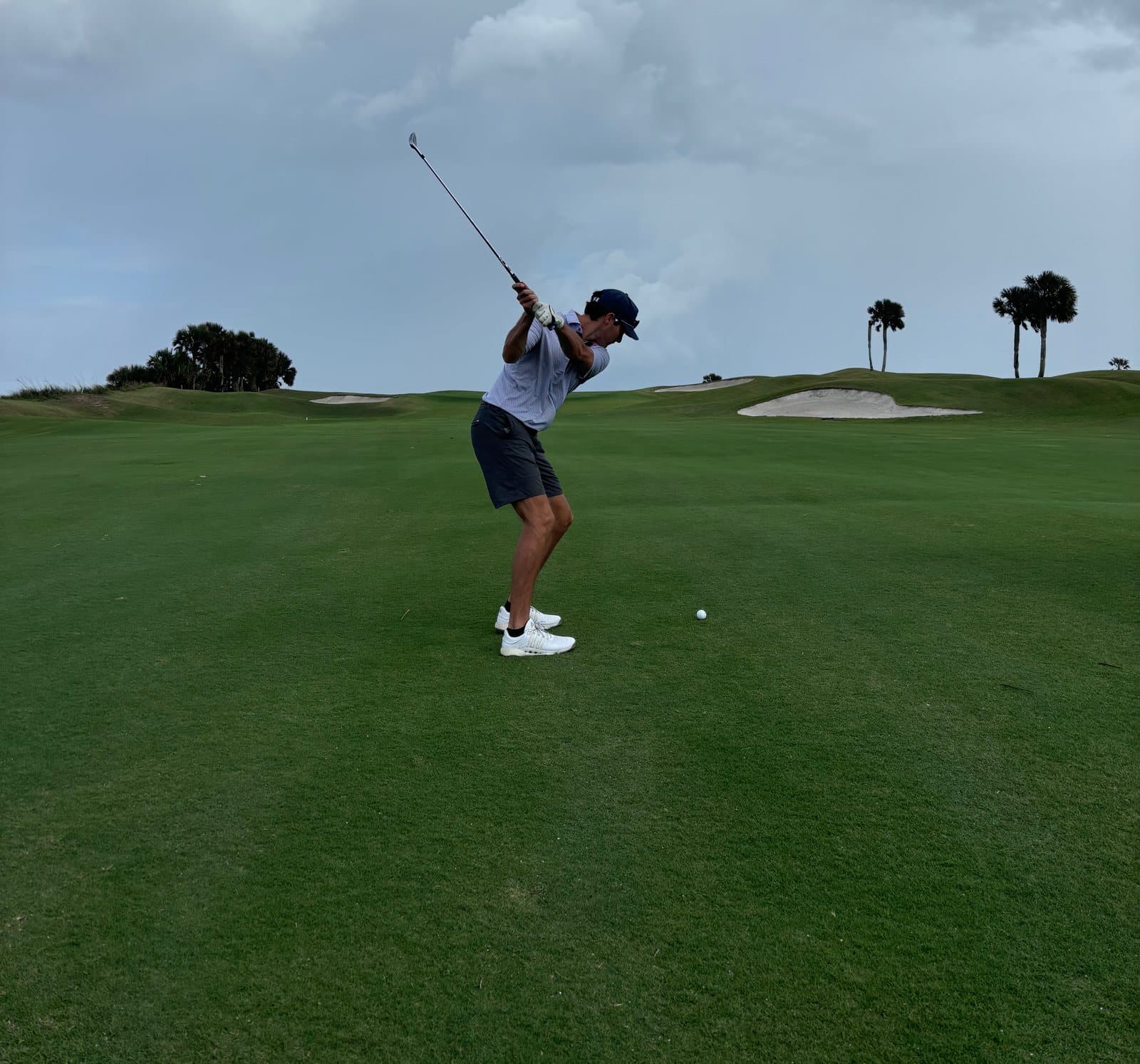
Every golfer knows the moment: a drive you flushed, middle of the face, perfect tempo, lands fifteen yards short of where that swing used to finish. The first time you blame the wind. By the tenth time, you're quietly recalculating your club selections and telling yourself this is just what the mid-forties look like.
Sometimes it is age. Far more often, and this is genuinely good news, it's mechanics. Clubhead speed is manufactured by the body in a specific sequence, and when a link in that sequence loses mobility, speed leaks out of the swing invisibly. Unlike age, lost mobility is measurable, findable, and very fixable.
Where clubhead speed actually comes from
Distance is built by the kinematic sequence: the hips fire first, the torso whips against the hips, the arms whip against the torso, and the club releases last. Each link accelerates against the one before it, like cracking a whip. The magic ingredient is separation: the ability of the hips and shoulders to rotate independently of each other.
That separation, what TPI calls the X-factor, depends on physical hardware: hip internal rotation, thoracic spine rotation, and the pelvic control to keep the lower body stable while the upper body coils. Lose any of them and the whip becomes a broomstick. The body rotates as one block, the sequence collapses, and speed dies quietly.
The three restrictions that steal distance
When a golfer comes in having "lost fifteen yards," we almost always find one of these three, usually two:
- Lost hip internal rotation, the hips can't coil in the backswing or clear at impact, so the pelvis stalls and the arms have to flip the club through. This is the single most common finding, and desk jobs are the usual thief.
- A stiff thoracic spine: without rib-cage rotation there's no shoulder turn, only shoulder lift. Golfers compensate by swaying, lifting, or bending the lead elbow, all of which shrink the arc and the speed.
- Faded pelvic and core control, separation requires the lower body to hold position while the upper body coils against it. When that control fades, the body avoids the coil entirely because it can't stabilize it.
Notice something about that list: none of these hurt, at least at first. That's what makes distance loss so sneaky. It's often the first symptom of restrictions that will eventually cause the back, hip, and elbow pain we treat every week. Your driver is an early-warning system.
How chiropractic care restores the speed
This is body work, not swing instruction. We don't touch your grip or your takeaway. The process at Elevated Sport and Spine runs in three steps:
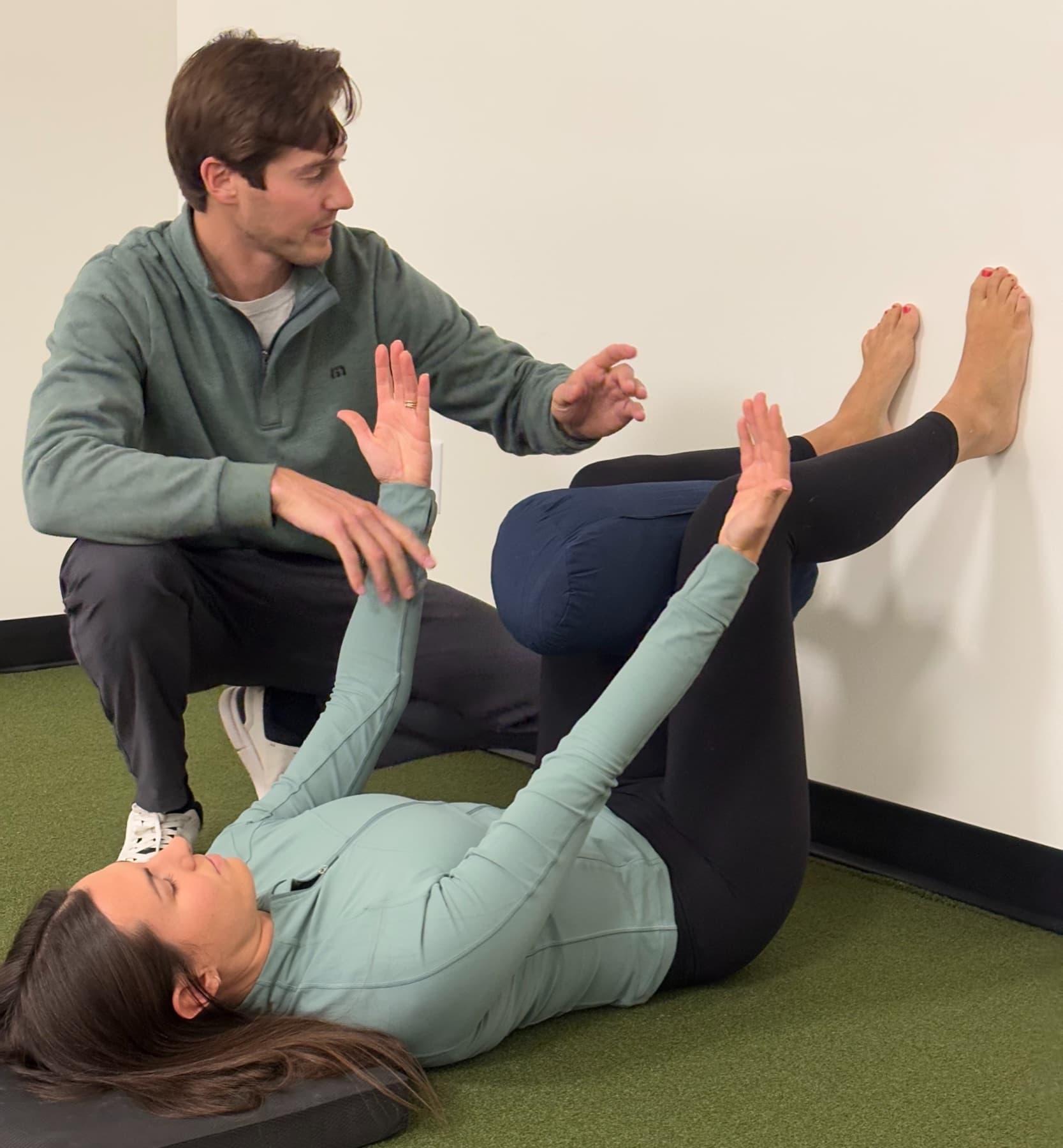
First, the TPI screen. Dr. Wolf is TPI Level 1 and Medical Level 2 certified; the screen measures every body function the swing depends on: hip rotation both sides, thoracic rotation, pelvic tilt control, shoulder motion, balance, and maps your specific restrictions to the swing characteristics they force.
Second, restore the motion. Joint adjustment and mobilization for the stiff segments (hips and mid-back most often), dry needling for the muscles guarding them. Rotation gains here are frequently measurable the same visit.
Third, make it usable. New range means nothing at swing speed unless you can control it. Golf-specific drills convert the mobility into separation, then loading work makes it durable for a full season. This is where the yards actually come back, usually along with your pro's cues suddenly making sense, because your body can finally do what they've been asking.
What's realistic
We're not promising you'll out-drive your twenties. But most golfers over 40 are leaving genuinely recoverable speed on the table, restrictions accumulate so gradually that the swing adapts around them unnoticed. Restoring hip and thoracic rotation routinely returns meaningful, launch-monitor-visible distance, and the same fix is the best injury prevention in golf.
If your distance has been drifting, get screened before you buy another driver. The fifteen yards you're missing are more likely in your lead hip than in a $600 clubhead, and the screen will tell us in an hour.

Dr. Taylor Wolf
Owner & Chiropractor, Elevated Sport and Spine
TPI Certified (Level 1 + Medical Level 2), PRI trained, dry needling certified. One-hour, one-on-one sports chiropractic in Salt Lake City. About Dr. Wolf →